
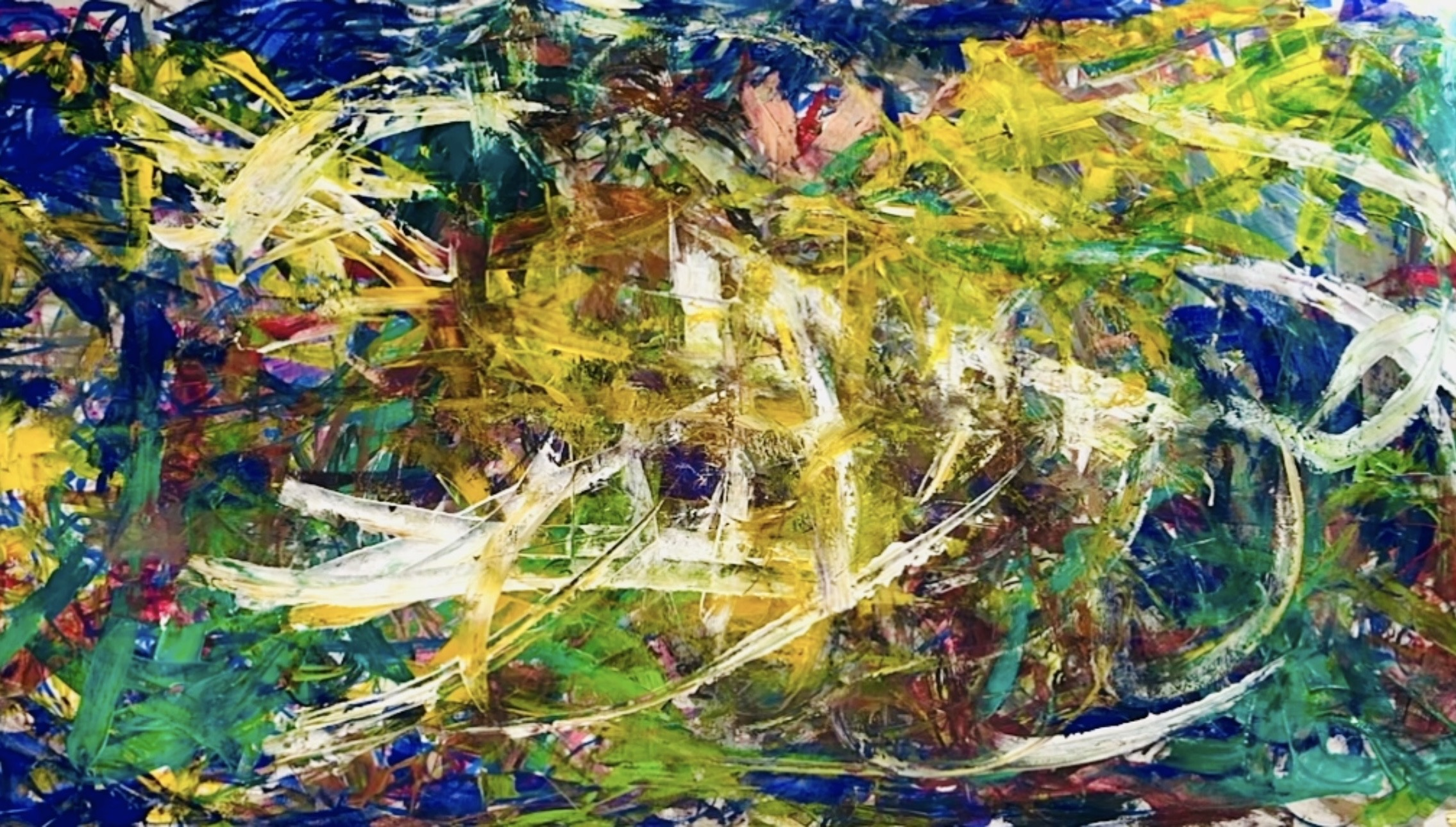
The Art of Magnetic Presence
A Mentorship in Artistic Presence
A one-to-one, 12-session mentorship focused on artistic identity, structure, and positioning.
Art as a Place of Encounter
Mentorship by Fangyou
Becoming an Artist
This is not an art class.
It is a structured one-to-one mentorship across 12 sessions where artistic identity, clarity, and direction are developed through focused dialogue and practice.
You will not be taught what to create.
You will understand how to see, think, and operate as an artist.
Through observation, analysis, and guided reflection, Fangyou works with you to clarify your artistic identity, structure your body of work, and define your position within the art world.
Who It’s For
This mentorship is for committed individuals—
artists, professionals, or independent thinkers—ready to:
- Define a clear and singular artistic identity
- Develop a coherent and structured body of work
- Articulate their practice with clarity and precision
- Position their work within a contemporary artistic context
Not suitable for those seeking technical instruction or casual exploration.
This is a focused and demanding process requiring engagement and consistency.
What Happens
Across 12 sessions, you will:
- Clarify your artistic direction and internal coherence
- Analyze and refine your existing body of work
- Build a structured and intentional portfolio
- Develop a clear written and verbal narrative
- Understand how to position your work within exhibitions, residencies, and institutions
Each session includes:
- Critical dialogue and direct feedback
- Practical analysis of artworks and materials
- Structured exercises to develop clarity and consistency
Strategic guidance adapted to your individual path
Mentorship Sessions
By Fangyou belleli
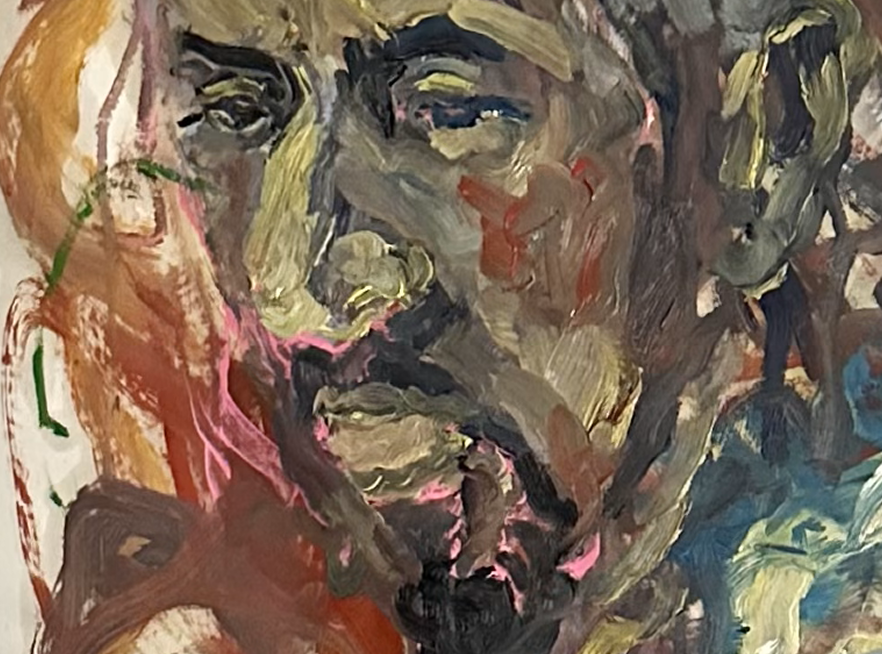
Understanding where you stand
The Magnetic Self
- reviewing the current state of your work (or starting point)
- identifying your interests, references, and motivations
- clarifying what draws you to create
- establishing a first understanding of your artistic direction
“What you do, the way you think,
makes you beautiful.”Agnes Martin
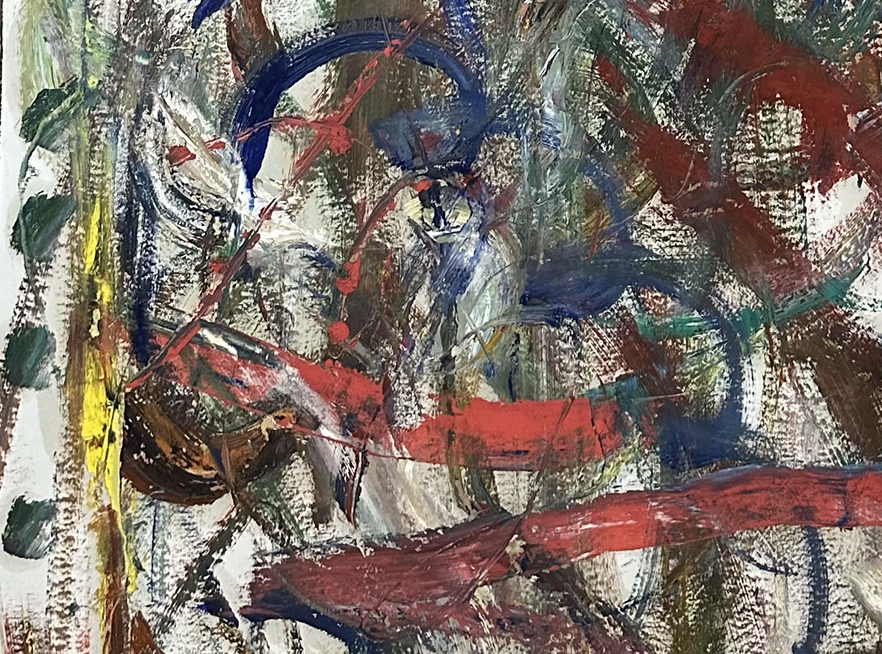
Learning how to see
The Critical Gaze
- learning to observe your own work with clarity
- introducing a critical and analytical perspective
- distinguishing intention from result
- developing the ability to evaluate artworks (yours and others’)
“The eye should learn to listen before it looks”
Robert Frank
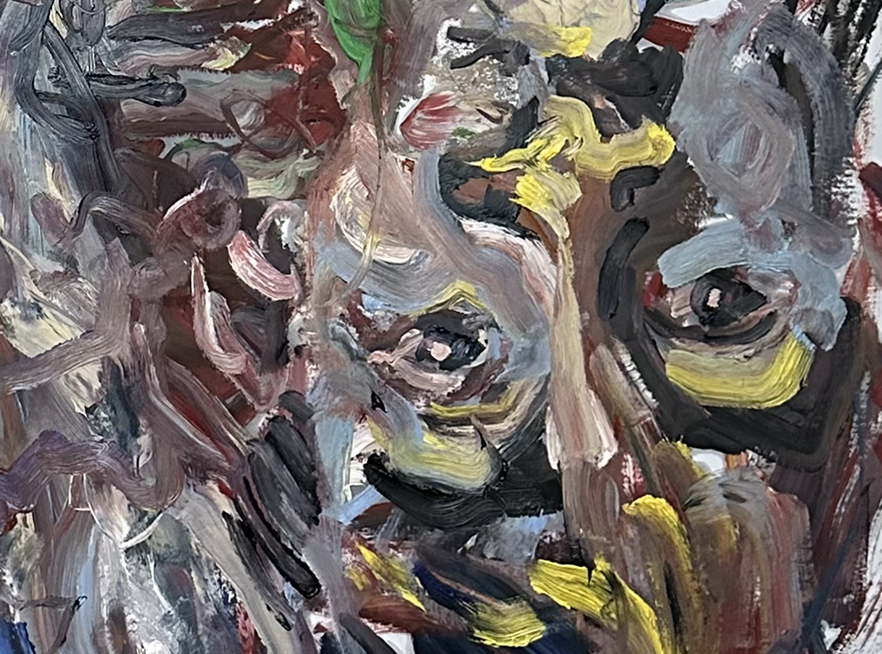
Defining coherence and direction
Artistic Thread
- identifying recurring elements in your work
- understanding what makes your work singular
- defining coherence across ideas, forms, and intentions
- articulating a clear artistic direction
“Style is a way to say who you are without having to speak.”
Cindy Sherman
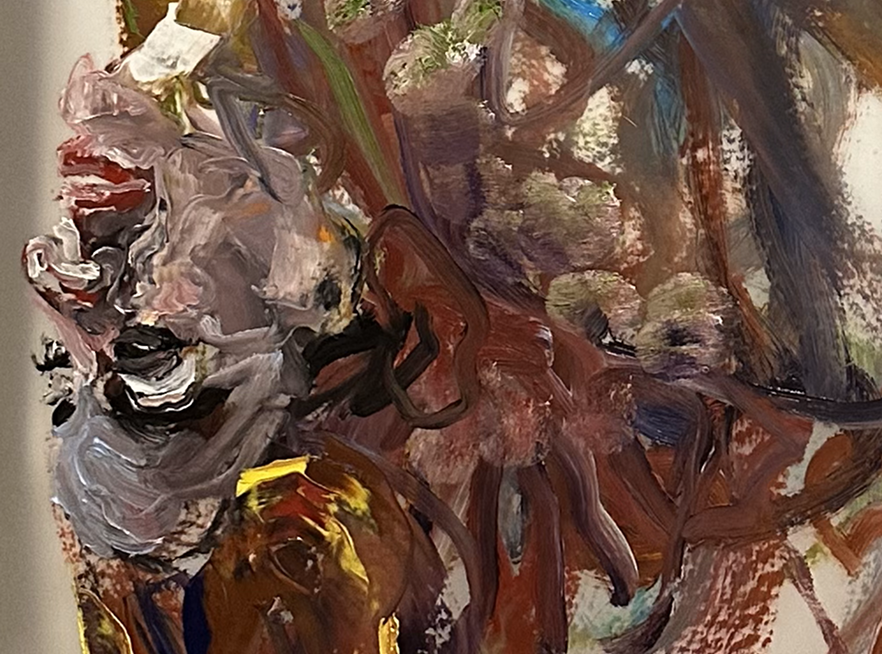
Building and structuring the body of work – What belongs to the work — and what does not
Portfolio refinement
Selection & Artistic Direction
- selection of artworks
- identifying relevance vs noise
- defining direction within existing material
“A work is finished when it has found its necessary form.”
Henri Matisse
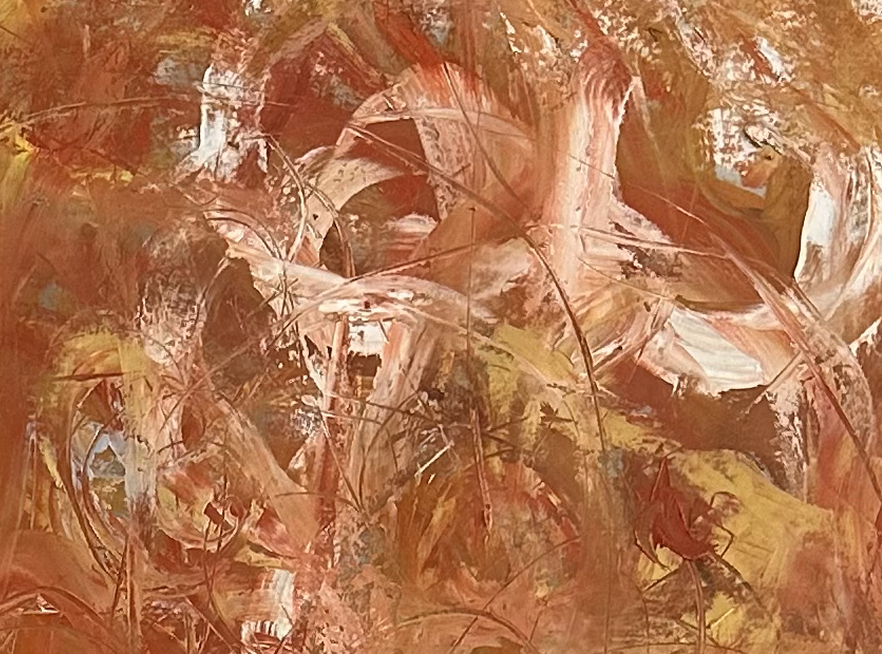
Reading the work as a whole
Portfolio refinement
Coherence & Visual Language
- coherence of artistic evolution
- identifying recurring structures, gestures, themes
- developing visual consistency across works
“Color is a power which directly influences the soul.”
Wassily Kandinsky
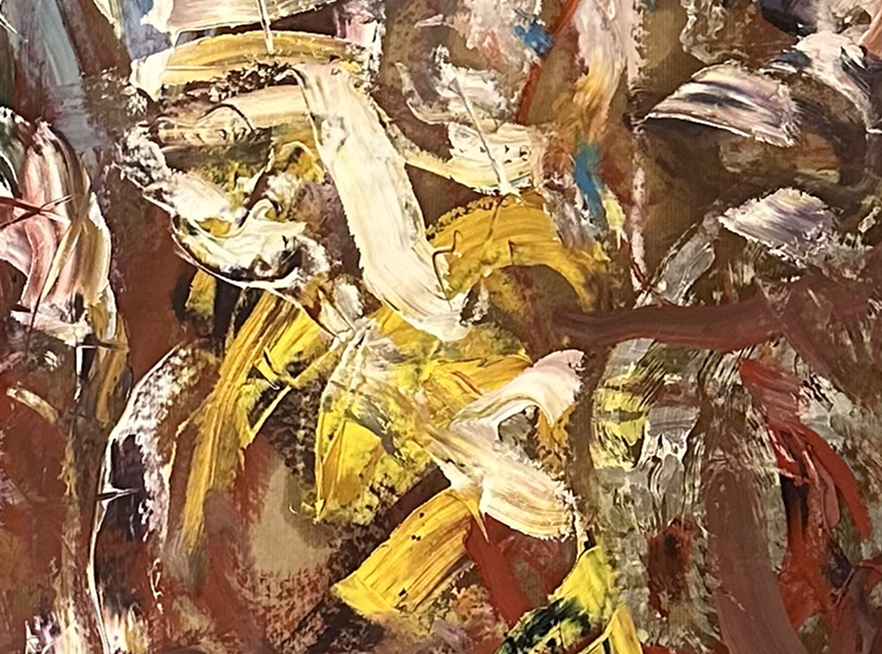
Shaping the body of work with precision
Portfolio refinement
Editing & Formal Structure
- editing the body of work
- sequencing and relationships between pieces
- structuring a readable and intentional portfolio
“To compose is to arrange the elements in such a way that they speak.”
Henri Cartier-Bresson
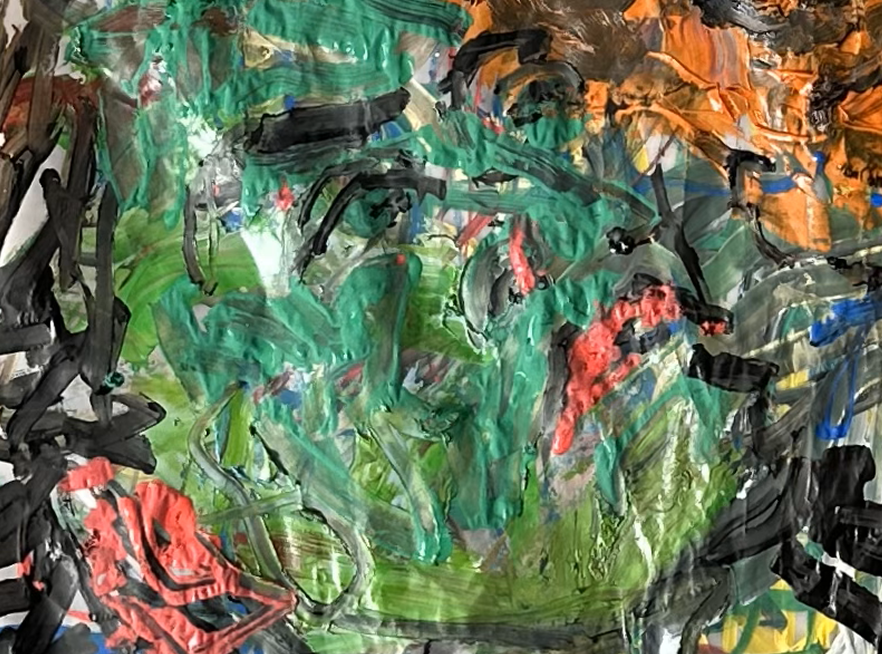
Articulating the work and its meaning – Writing the Work
Narrative Construction
Foundation of Public Identity
- developing website structure and public artistic identity
- building exhibition concepts and curatorial narratives
- preparing artist books, publications, and editorial materials
- developing press language, interviews, and public presentation
“If I could say it in words, there would be no reason to paint.”
Edward Hopper
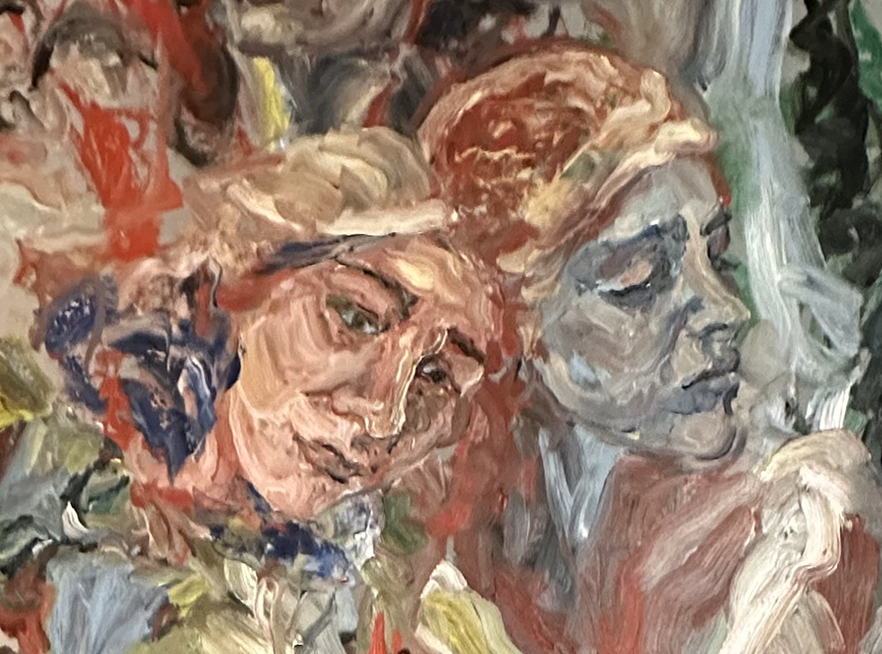
Artist voice vs external discourse
Narrative Construction
Artistic Communication & Visibility
- structuring social media and communication channels
- developing publication rhythm and content categories
- organizing website, Instagram, LinkedIn, YouTube continuity
- building sustainable visibility and communication systems
“Style is a way to say who you are without having to speak.”
Cindy Sherman
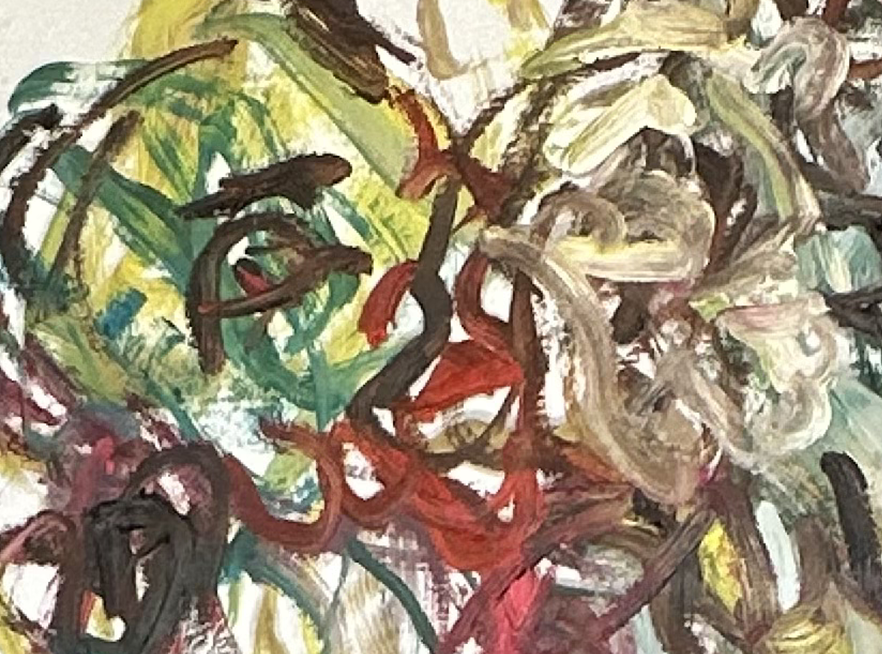
Speaking across different contexts
Narrative Construction
Context & Adaptation
- adapting narrative to different contexts
(applications, galleries, residencies, collectors) - understanding audience without compromising integrity
- aligning discourse with positioning
“An artist must create a spark before he can make a fire.”
Auguste Rodin
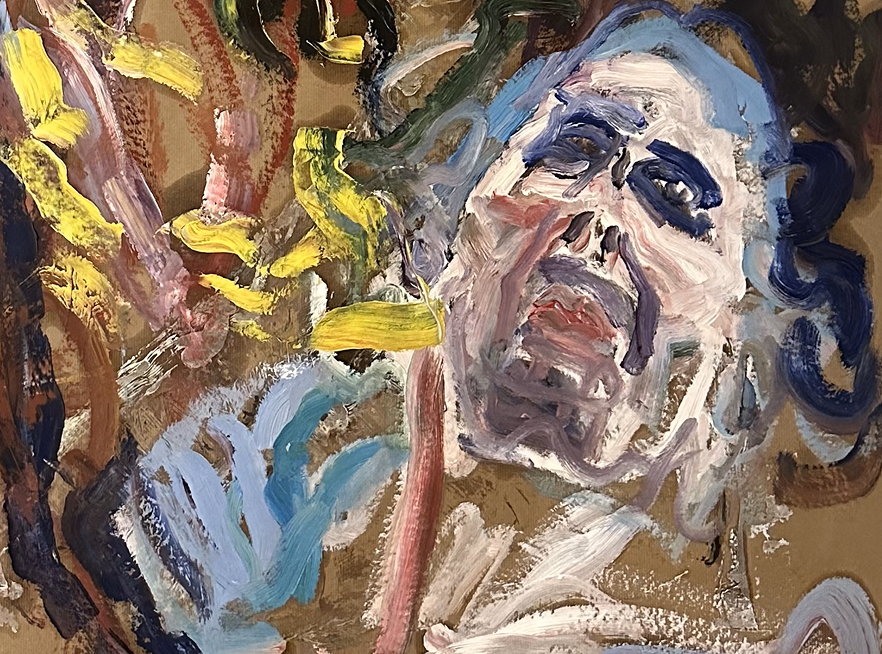
Understanding the ecosystem you are entering
Art World Landscape
- mapping the contemporary art landscape
- understanding roles: galleries, institutions, curators, collectors
- reading exhibitions, fairs, and programming logic
- identifying where your work belongs
“The artist must train not only his eye but also his soul.”
Wassily Kandinsky
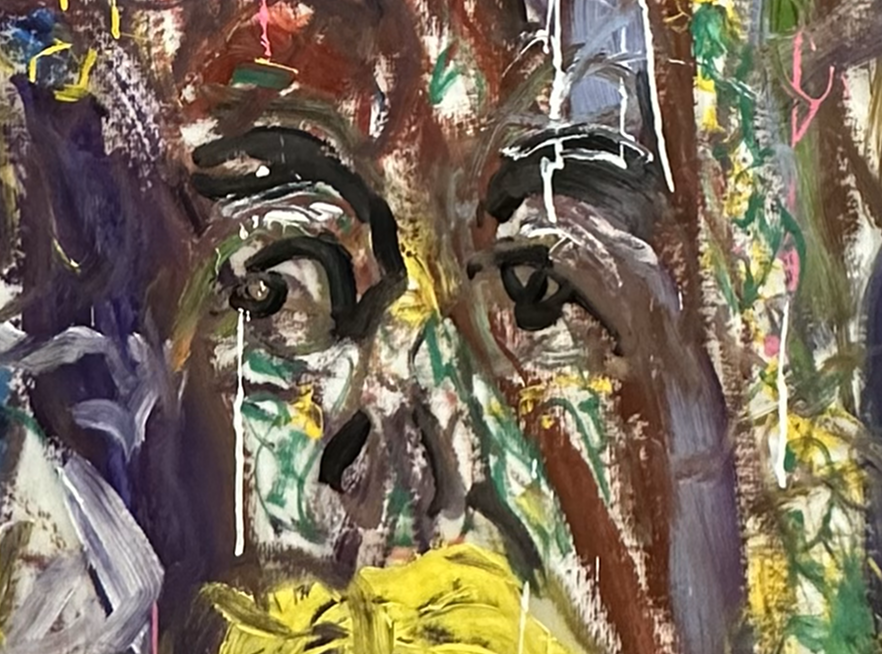
Defining how you enter and operate
Professional Positioning & Strategy
- defining your positioning (emerging / independent / represented)
- identifying relevant opportunities (exhibitions, residencies, fairs)
- developing a realistic and coherent strategy
- aligning artistic identity with professional direction
“You have to know what you want to do, and then do it.”
Gerhard Richter
Making the work exist in the world
Visibility, Communication & Action
- presenting your work (portfolio, website, applications)
- communicating with clarity and precision
- approaching galleries, institutions, and collaborators
- defining next steps and immediate actions
“An artist is not paid for his labor but for his vision.”
James McNeill Whistler
How to apply
This mentorship is structured as a 12-session program delivered over approximately three months.
Each session consists of a 3-hour in-person workshop, held in the afternoon or early evening at Fangyou Belleli’s studio in Saint-Germain-des-Prés (Paris). Sessions are typically scheduled on a weekly basis and confirmed in advance to ensure continuity and focus.
A preparatory conversation is strongly recommended prior to engagement.
This can be booked through Meet Fangyou (60-minute session), allowing an initial exchange and alignment of expectations.
The full program fee is €1,620 (45€ x 3H x 12), covering all 12 sessions.
Once confirmed, the mentorship is reserved exclusively for the participant.
Sessions are non-refundable, except in cases of force majeure.
Rescheduling is possible within a 6-month period, subject to availability and prior notice.
The final sessions include guided visits to selected Parisian galleries and institutions, supporting a direct engagement with the art world context.
3 defining phases
PHASE 1 — ARTISTIC IDENTITY
Understanding where you stand and what defines your work
This first phase establishes clarity.
Through observation and dialogue, we assess your current work—or your starting point—and identify what is already present: your interests, references, and intentions.
You learn how to look at your work with precision, distinguish intention from result, and recognize the elements that make your approach singular.
By the end of this phase, your artistic direction is clearly defined and grounded in what is already yours.
PHASE 2 — STRUCTURE & LANGUAGE
Building the work. Building the artist
This phase transforms artistic practice into professional presence.
Your work is refined, structured, edited, and prepared for public presentation.
You build:
- portfolio and artist book
- artist statement, biography, CV
- exhibition concepts and curatorial texts
- website and communication materials
- social media and artistic branding
The work moves from studio practice to public visibility.
By the end of this phase, you leave with a coherent artistic dossier and the foundations to present, communicate, and position yourself professionally.
PHASE 3 — POSITIONING & STRATEGY
Situating your work within the art world
The final phase addresses how your work exists in the world.
You gain an understanding of the contemporary art landscape and define a positioning that aligns with your work and ambitions. This includes identifying relevant opportunities and developing a realistic and coherent strategy.
You also learn how to present and communicate your work with clarity—whether for exhibitions, residencies, or collaborations.
By the end of this phase, you have a clear direction, concrete next steps, and the tools to operate as an artist in a professional context.
From Life Into Work
You did not arrive here by accident.
What you see today was not built in theory,
but in the most concrete and demanding experience of a life.
For nearly two years, I accompanied my father through illness,
day after day, night after night—
learning care, endurance, and presence
in its most essential form. There was no distance, no abstraction.
Only the body, time, and what remains when everything else falls away.
This experience did not teach me how to make art.
It revealed what it means to be fully present.
To see clearly.
To act without delay.
To remain when it is difficult.
To hold form under pressure.
What I call artistic practice is not separate from this.
Painting, living, caring, loving—
they are not different disciplines.
They are variations of the same attention.
If you are here, it may be because you are not only looking to make work,
but to understand how to stand inside it. To build something that holds.
To see what is yours.
And to carry it forward with clarity.
This is what I offer,
Fangyou